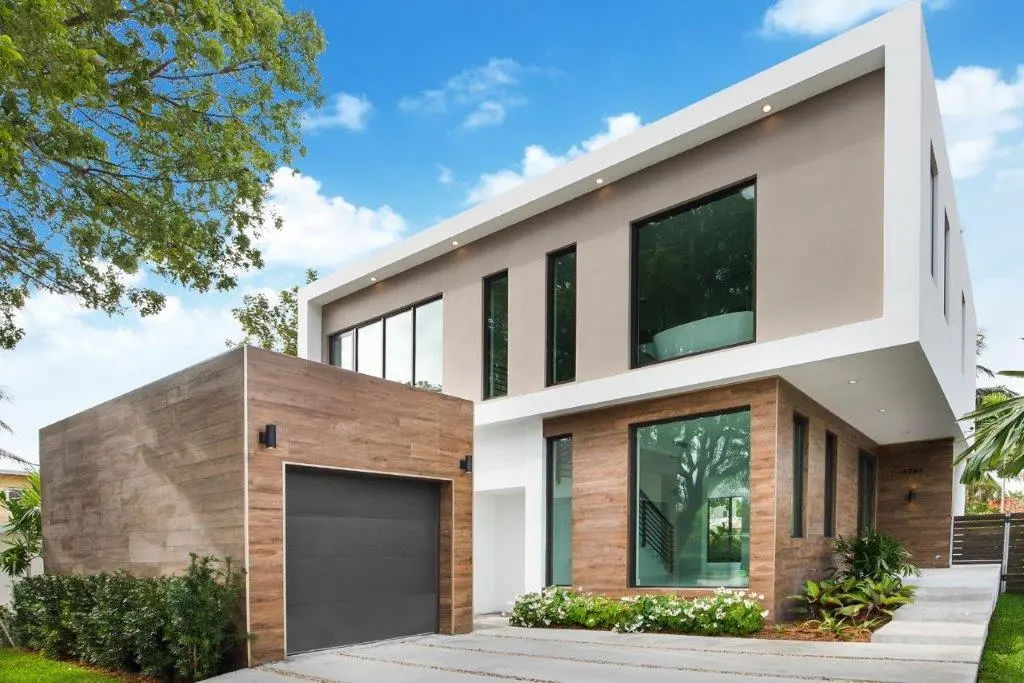

What Does an Architect Actually Do? A Complete Guide for Miami Homeowners
If you're starting to plan a custom home, a major renovation, or any significant residential project in Miami, you've probably heard you should hire an architect. What you may not have heard is what an architect actually does, why their role matters, and where the line falls between an architect, a designer, and a contractor.
This guide gives you the honest answer. Architects do far more than draw plans. They are the professional responsible for translating your vision into a buildable, permittable, code-compliant design that holds together as architecture, performs in the South Florida climate, and protects your investment for decades.
More than just plans
The most common misconception about architects is that they exist to produce drawings. In reality, drawings are an output of the architect's work, not the work itself. The drawings exist to communicate dozens of decisions the architect has already made: how the home sits on the lot, how spaces relate to one another, how light enters each room, how the building performs in hurricane conditions, how the design satisfies zoning and code, how the structure will actually be built, and how every material and detail comes together.
A good architect protects three things at once: your design intent, your construction budget, and your long-term investment in the home. They do this by making informed decisions at every stage of the project, by coordinating with engineers and consultants, and by managing the documentation and approvals that turn an idea into a finished home. In Miami, where hurricane code, flood zones, jurisdictional complexity, and historic district requirements all affect every project, the architect's role is especially critical.

The full scope of what an architect does
A licensed architect leads a residential project through a sequence of distinct phases, each with its own deliverables and decisions. Understanding these phases helps you see what you're actually paying for and why the architect's role extends far beyond the design phase.
Site analysis and feasibility. Before any design work begins, the architect studies the lot itself. This includes analyzing zoning restrictions, setbacks, lot coverage limits, height restrictions, flood zone requirements, soil conditions, sun orientation, prevailing breezes, and views. In Miami, this also includes evaluating FEMA flood elevation requirements, hurricane exposure, and any historic district or design review constraints that apply to the property. The output is a clear understanding of what can actually be built on the lot, which informs every decision that follows.
Schematic design. This is the phase most homeowners associate with architecture. The architect translates your program (the rooms, spaces, and lifestyle requirements you want) into early design concepts, including floor plans, massing studies, and 3D visualizations. The goal is to establish the architectural direction of the project before significant detail work begins.
Design development. Once the schematic direction is approved, the architect develops the design in detail. Materials are selected, structural systems are coordinated with engineers, mechanical and electrical systems are integrated, window and door specifications are finalized, and key details are resolved. By the end of this phase, the design is fully resolved at every level.
Construction documentation. The architect produces the technical drawings and specifications that contractors will use to build the home. This includes architectural plans, elevations, sections, structural drawings, MEP coordination, and detailed specifications for materials, finishes, and assemblies. Construction documents are the most labor-intensive phase of the architect's work, and they are what separates a buildable design from a conceptual sketch.
Permitting and approvals. The architect prepares and submits permit packages to the relevant Miami-Dade jurisdiction, responds to city review comments, manages revisions, and coordinates approvals from any historic district, design review board, or specialty authority involved in the project. In Miami, this is one of the most time-intensive parts of the architect's role and one of the most consequential for project timeline.
Construction administration. During construction, the architect remains involved as the design authority, reviewing contractor submittals, answering questions from the field, conducting site visits, addressing unforeseen conditions, and ensuring the design intent is preserved through to completion. Without construction administration, design quality often erodes during the build, with cost-driven shortcuts compromising the final result.
 | 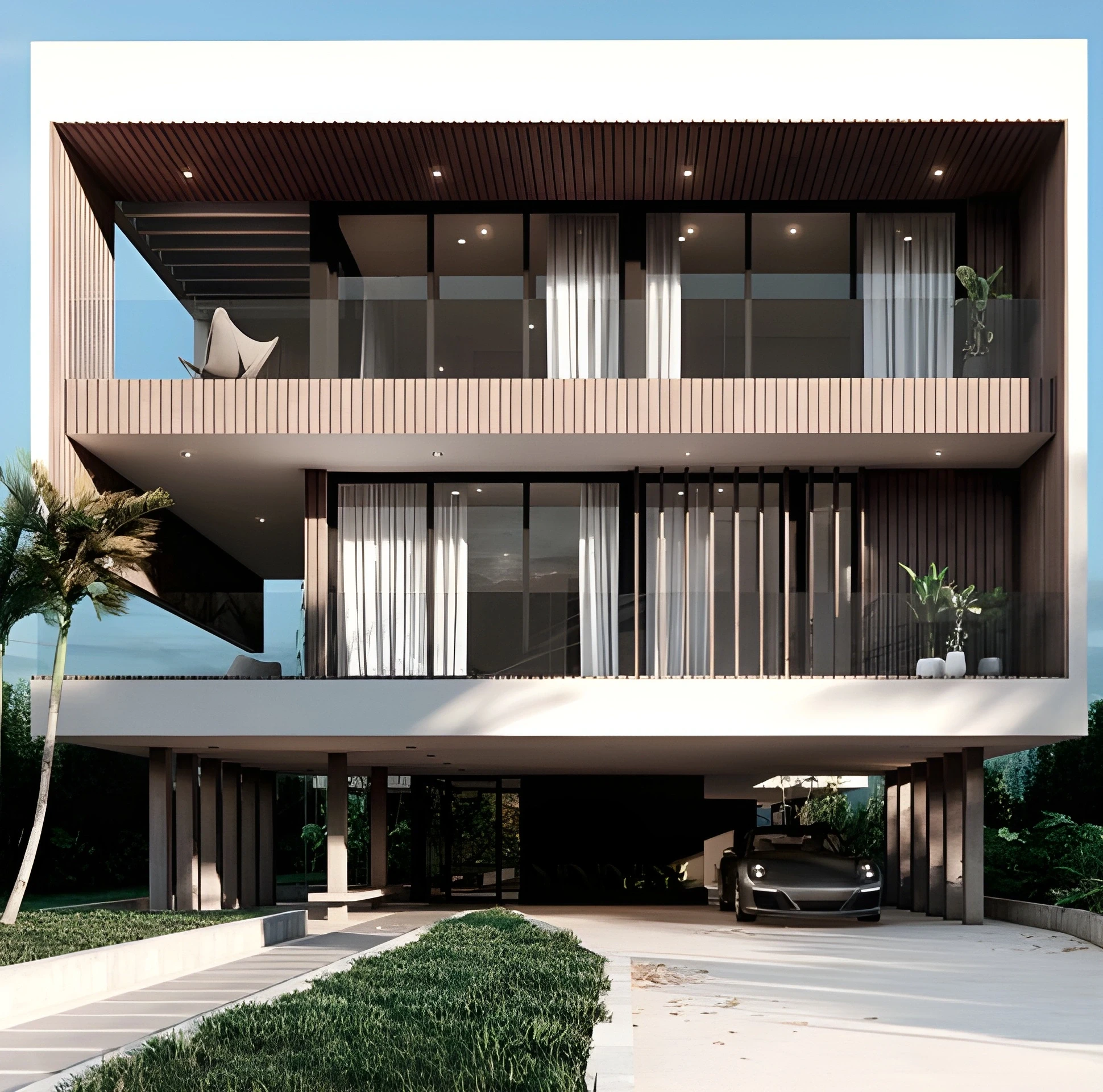 |
When you need an architect (and when you don't)
Not every home project requires a licensed architect. Understanding the difference helps you make the right call for your specific situation.
Projects that require a licensed architect in Miami-Dade:
New custom homes
Major renovations that affect structure, exterior, or building envelope
Additions of any significant size
Renovations in historic districts or design review zones
Any project requiring permit drawings stamped by a licensed professional
Multi-family or commercial projects
Waterfront properties or projects in flood zones with elevation considerations
Projects where you may not need a licensed architect:
Cosmetic interior renovations that don't affect structure or exterior
Small interior updates handled by an interior designer
Simple bathroom or kitchen updates within existing footprints
Furniture and finish selections handled by a designer
Small projects below the size threshold that triggers permit requirements
The decision usually comes down to three factors. First, does the project require permits stamped by a licensed professional? In Miami-Dade, most projects beyond cosmetic interior work do. Second, does the project involve design decisions that affect long-term value, performance, or aesthetics? If yes, the architect's role pays for itself in the quality of those decisions. Third, does the project involve enough complexity that a single point of professional accountability matters? In Miami, where hurricane code, flood zones, and jurisdictional review all interact, the answer for most significant projects is yes.
The cost of skipping the architect. Homeowners who try to save money by going directly to a contractor often discover the cost later in the form of design compromises, code issues, value-engineering decisions made without aesthetic consideration, and outcomes that fall short of what the lot, the budget, and the program could have delivered. The architect's fee is usually a small percentage of the total project cost. The value the architect adds is significantly larger across design quality, construction efficiency, and long-term resale.
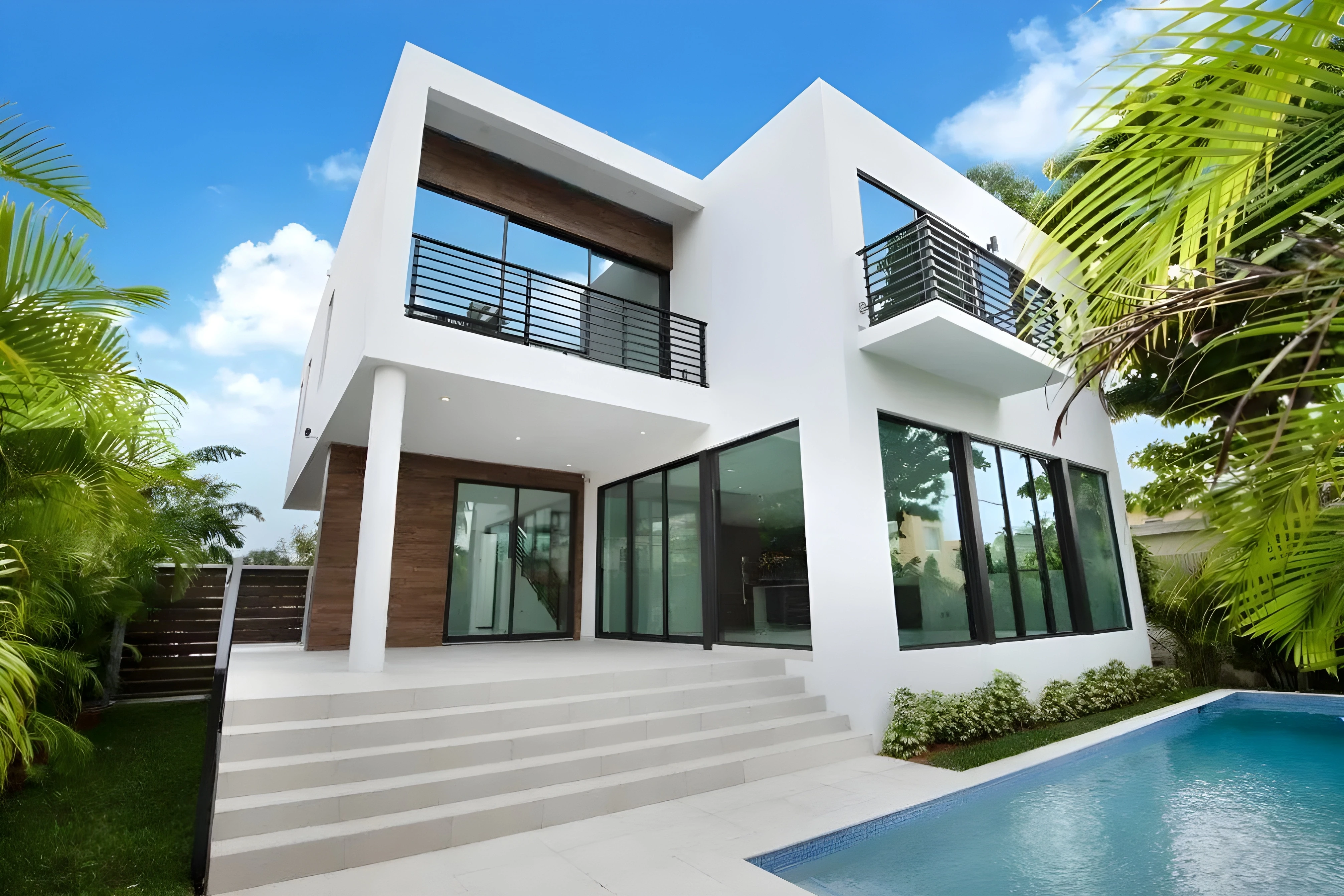 | |
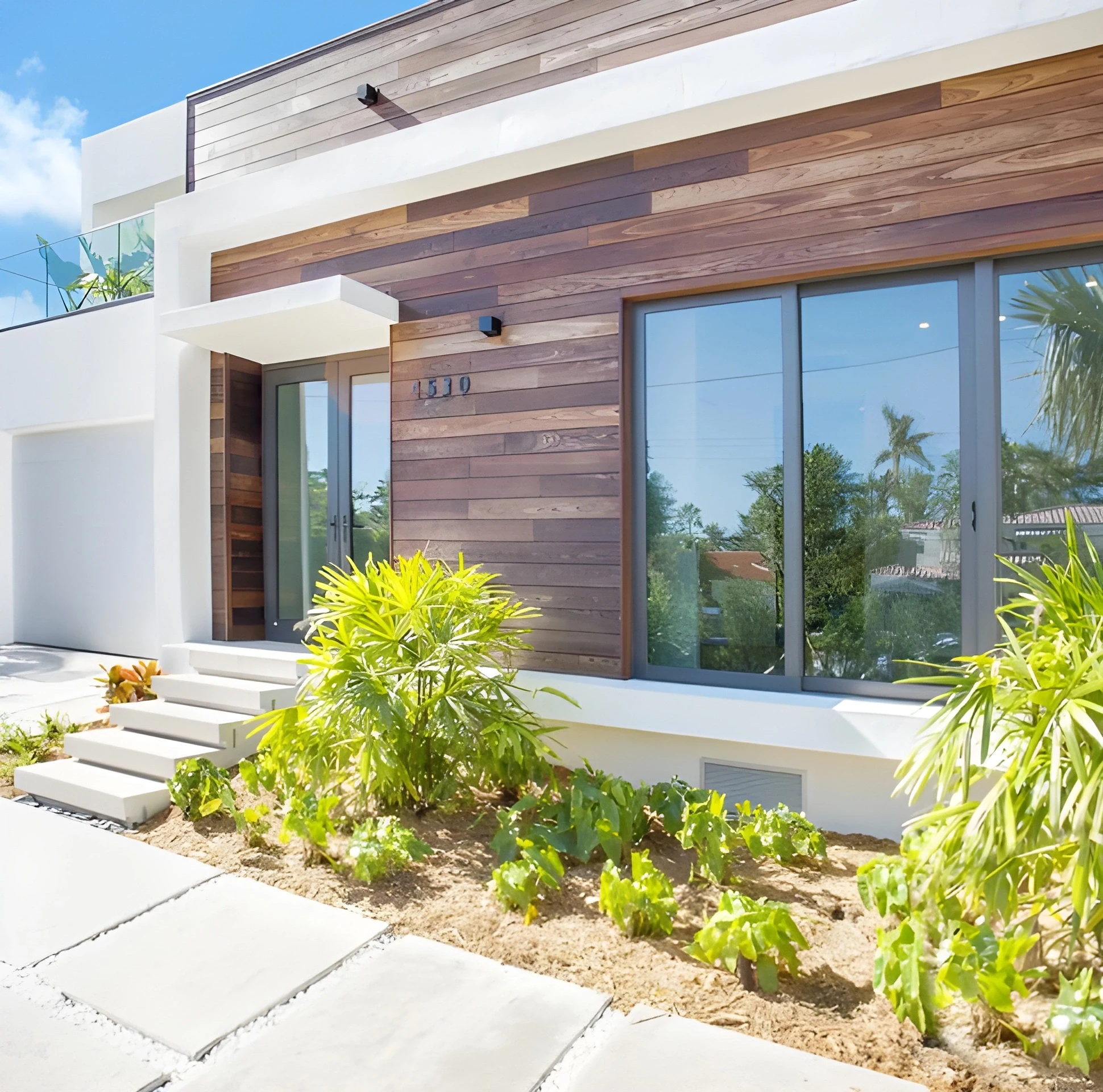 |  |
Working with an architect in Miami
Working with an architect in Miami specifically means working with someone who understands the realities that shape every South Florida project. Hurricane code requirements, FEMA flood zone elevation rules, the porous limestone foundation conditions across Miami-Dade, the 34 separate municipal jurisdictions and their individual review processes, the historic district overlays in Coral Gables and Miami Beach, the climate considerations that drive material and orientation decisions: all of these affect the design from day one. An architect who has spent years working in Miami doesn't just know the rules, they design with them as a starting point rather than discovering them mid-project.
At Atelier International, we lead the full architectural process for our clients across residential, commercial, and hospitality projects throughout Miami-Dade and beyond. From initial site analysis through final construction administration, we manage every phase as a single coordinated process so our clients receive the design they envisioned, on a realistic timeline, within a realistic budget, and built to the standard the project deserves.
If you're considering a project in Miami and want to understand what working with an architect actually looks like for your specific situation, schedule a free initial consultation here. We'll walk through your project, your site, your goals, and your timeline, and explain exactly how the process works from where you are today to a finished home you're proud of.
The earlier you bring an architect into your project, the more value they can add. Most homeowners we work with wish they had started the conversation sooner. Whatever stage you're at, the right time to talk to an architect is before the next decision gets made.
What Does an Architect Actually Do? A Complete Guide for Miami Homeowners
If you're starting to plan a custom home, a major renovation, or any significant residential project in Miami, you've probably heard you should hire an architect. What you may not have heard is what an architect actually does, why their role matters, and where the line falls between an architect, a designer, and a contractor.
This guide gives you the honest answer. Architects do far more than draw plans. They are the professional responsible for translating your vision into a buildable, permittable, code-compliant design that holds together as architecture, performs in the South Florida climate, and protects your investment for decades.
More than just plans
The most common misconception about architects is that they exist to produce drawings. In reality, drawings are an output of the architect's work, not the work itself. The drawings exist to communicate dozens of decisions the architect has already made: how the home sits on the lot, how spaces relate to one another, how light enters each room, how the building performs in hurricane conditions, how the design satisfies zoning and code, how the structure will actually be built, and how every material and detail comes together.
A good architect protects three things at once: your design intent, your construction budget, and your long-term investment in the home. They do this by making informed decisions at every stage of the project, by coordinating with engineers and consultants, and by managing the documentation and approvals that turn an idea into a finished home. In Miami, where hurricane code, flood zones, jurisdictional complexity, and historic district requirements all affect every project, the architect's role is especially critical.
The full scope of what an architect does
A licensed architect leads a residential project through a sequence of distinct phases, each with its own deliverables and decisions. Understanding these phases helps you see what you're actually paying for and why the architect's role extends far beyond the design phase.
Site analysis and feasibility. Before any design work begins, the architect studies the lot itself. This includes analyzing zoning restrictions, setbacks, lot coverage limits, height restrictions, flood zone requirements, soil conditions, sun orientation, prevailing breezes, and views. In Miami, this also includes evaluating FEMA flood elevation requirements, hurricane exposure, and any historic district or design review constraints that apply to the property. The output is a clear understanding of what can actually be built on the lot, which informs every decision that follows.
Schematic design. This is the phase most homeowners associate with architecture. The architect translates your program (the rooms, spaces, and lifestyle requirements you want) into early design concepts, including floor plans, massing studies, and 3D visualizations. The goal is to establish the architectural direction of the project before significant detail work begins.
Design development. Once the schematic direction is approved, the architect develops the design in detail. Materials are selected, structural systems are coordinated with engineers, mechanical and electrical systems are integrated, window and door specifications are finalized, and key details are resolved. By the end of this phase, the design is fully resolved at every level.
Construction documentation. The architect produces the technical drawings and specifications that contractors will use to build the home. This includes architectural plans, elevations, sections, structural drawings, MEP coordination, and detailed specifications for materials, finishes, and assemblies. Construction documents are the most labor-intensive phase of the architect's work, and they are what separates a buildable design from a conceptual sketch.
Permitting and approvals. The architect prepares and submits permit packages to the relevant Miami-Dade jurisdiction, responds to city review comments, manages revisions, and coordinates approvals from any historic district, design review board, or specialty authority involved in the project. In Miami, this is one of the most time-intensive parts of the architect's role and one of the most consequential for project timeline.
Construction administration. During construction, the architect remains involved as the design authority, reviewing contractor submittals, answering questions from the field, conducting site visits, addressing unforeseen conditions, and ensuring the design intent is preserved through to completion. Without construction administration, design quality often erodes during the build, with cost-driven shortcuts compromising the final result.
| |
When you need an architect (and when you don't)
Not every home project requires a licensed architect. Understanding the difference helps you make the right call for your specific situation.
Projects that require a licensed architect in Miami-Dade:
New custom homes
Major renovations that affect structure, exterior, or building envelope
Additions of any significant size
Renovations in historic districts or design review zones
Any project requiring permit drawings stamped by a licensed professional
Multi-family or commercial projects
Waterfront properties or projects in flood zones with elevation considerations
Projects where you may not need a licensed architect:
Cosmetic interior renovations that don't affect structure or exterior
Small interior updates handled by an interior designer
Simple bathroom or kitchen updates within existing footprints
Furniture and finish selections handled by a designer
Small projects below the size threshold that triggers permit requirements
The decision usually comes down to three factors. First, does the project require permits stamped by a licensed professional? In Miami-Dade, most projects beyond cosmetic interior work do. Second, does the project involve design decisions that affect long-term value, performance, or aesthetics? If yes, the architect's role pays for itself in the quality of those decisions. Third, does the project involve enough complexity that a single point of professional accountability matters? In Miami, where hurricane code, flood zones, and jurisdictional review all interact, the answer for most significant projects is yes.
The cost of skipping the architect. Homeowners who try to save money by going directly to a contractor often discover the cost later in the form of design compromises, code issues, value-engineering decisions made without aesthetic consideration, and outcomes that fall short of what the lot, the budget, and the program could have delivered. The architect's fee is usually a small percentage of the total project cost. The value the architect adds is significantly larger across design quality, construction efficiency, and long-term resale.
| |
| |
Working with an architect in Miami
Working with an architect in Miami specifically means working with someone who understands the realities that shape every South Florida project. Hurricane code requirements, FEMA flood zone elevation rules, the porous limestone foundation conditions across Miami-Dade, the 34 separate municipal jurisdictions and their individual review processes, the historic district overlays in Coral Gables and Miami Beach, the climate considerations that drive material and orientation decisions: all of these affect the design from day one. An architect who has spent years working in Miami doesn't just know the rules, they design with them as a starting point rather than discovering them mid-project.
At Atelier International, we lead the full architectural process for our clients across residential, commercial, and hospitality projects throughout Miami-Dade and beyond. From initial site analysis through final construction administration, we manage every phase as a single coordinated process so our clients receive the design they envisioned, on a realistic timeline, within a realistic budget, and built to the standard the project deserves.
If you're considering a project in Miami and want to understand what working with an architect actually looks like for your specific situation, schedule a free initial consultation here. We'll walk through your project, your site, your goals, and your timeline, and explain exactly how the process works from where you are today to a finished home you're proud of.
The earlier you bring an architect into your project, the more value they can add. Most homeowners we work with wish they had started the conversation sooner. Whatever stage you're at, the right time to talk to an architect is before the next decision gets made.