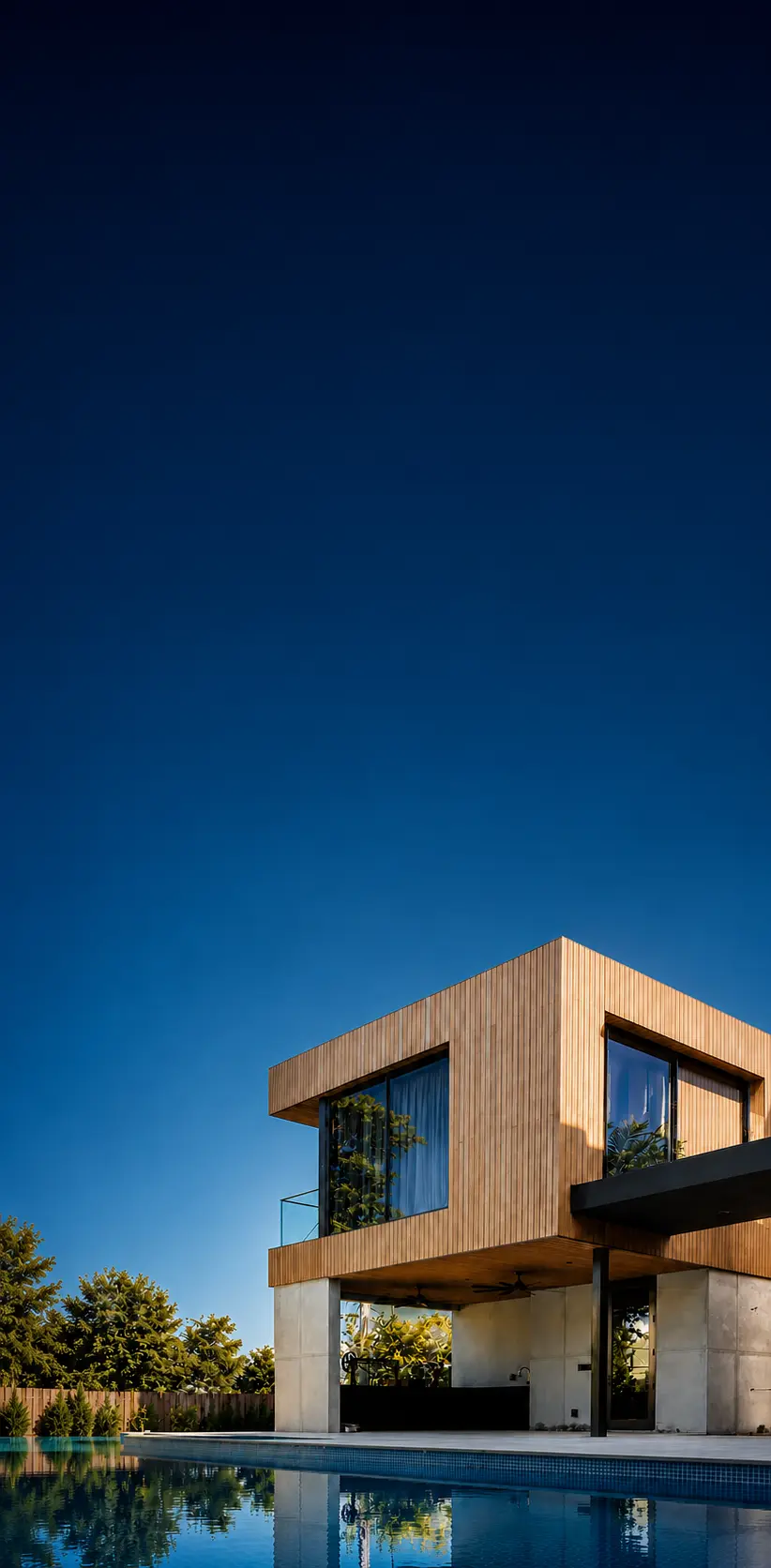
Architects approach energy efficient design in Miami by working with the climate instead of fighting it. That means positioning your home to limit heat gain, shading windows from the strong sun, choosing high performance materials, and planning systems that keep you cool while using less energy.
In a place where air conditioning runs most of the year, smart design can make a real difference in comfort and monthly bills. Here's how architects make it happen.
It Starts With the Site
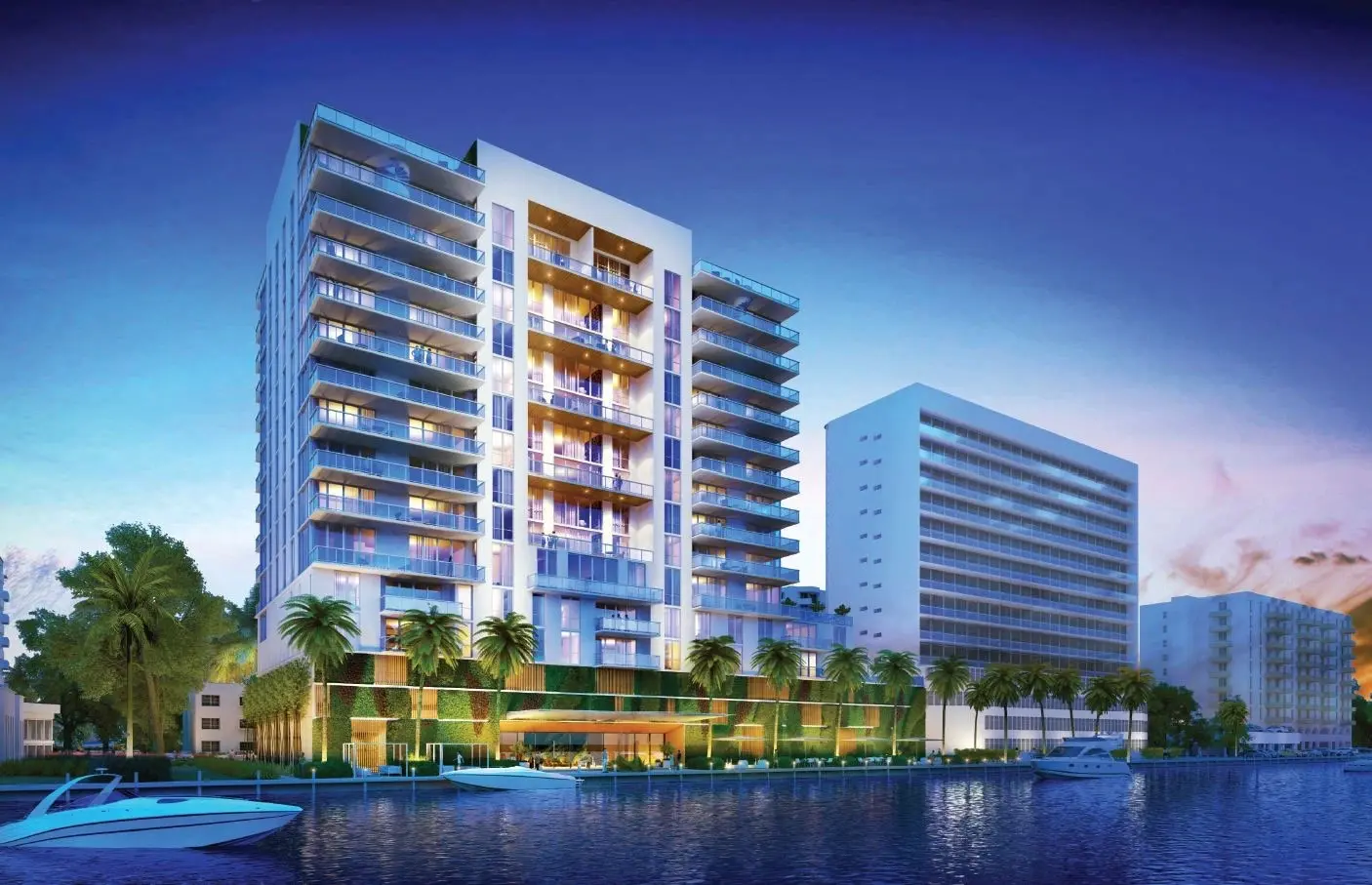
Good energy efficient design begins before a single wall is drawn. Your architect studies the property to see how sun, wind, and shade affect it throughout the day.
Orienting the home to reduce harsh afternoon sun on main living areas
Taking advantage of prevailing breezes for natural ventilation
Working with existing trees and landscaping that provide shade
These early decisions cost little but have a lasting impact on how much energy your home uses.
Shading Is Everything in Miami
The biggest source of heat in a Miami home is direct sunlight coming through windows and walls. Architects use design to block it before it gets inside.
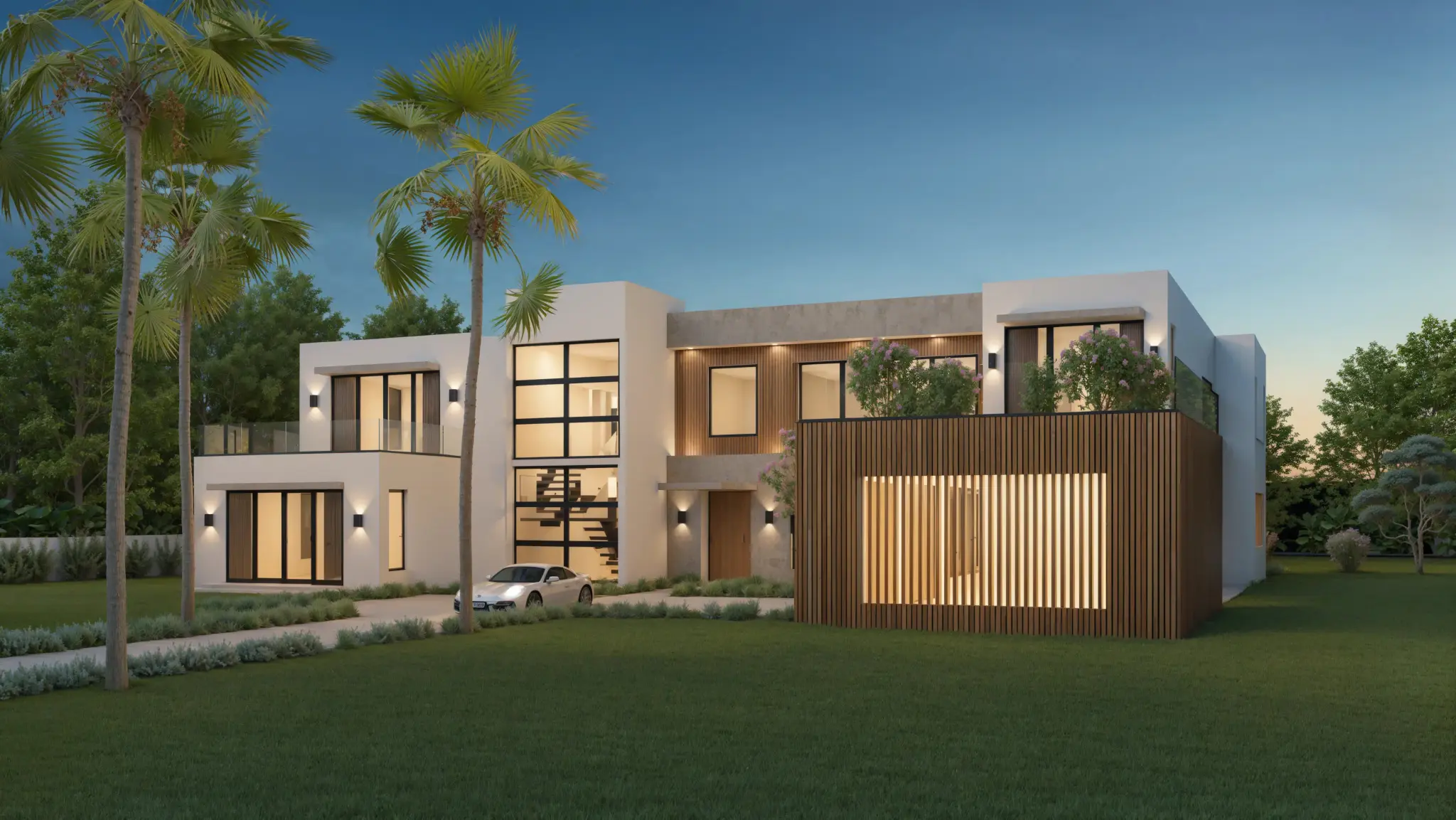
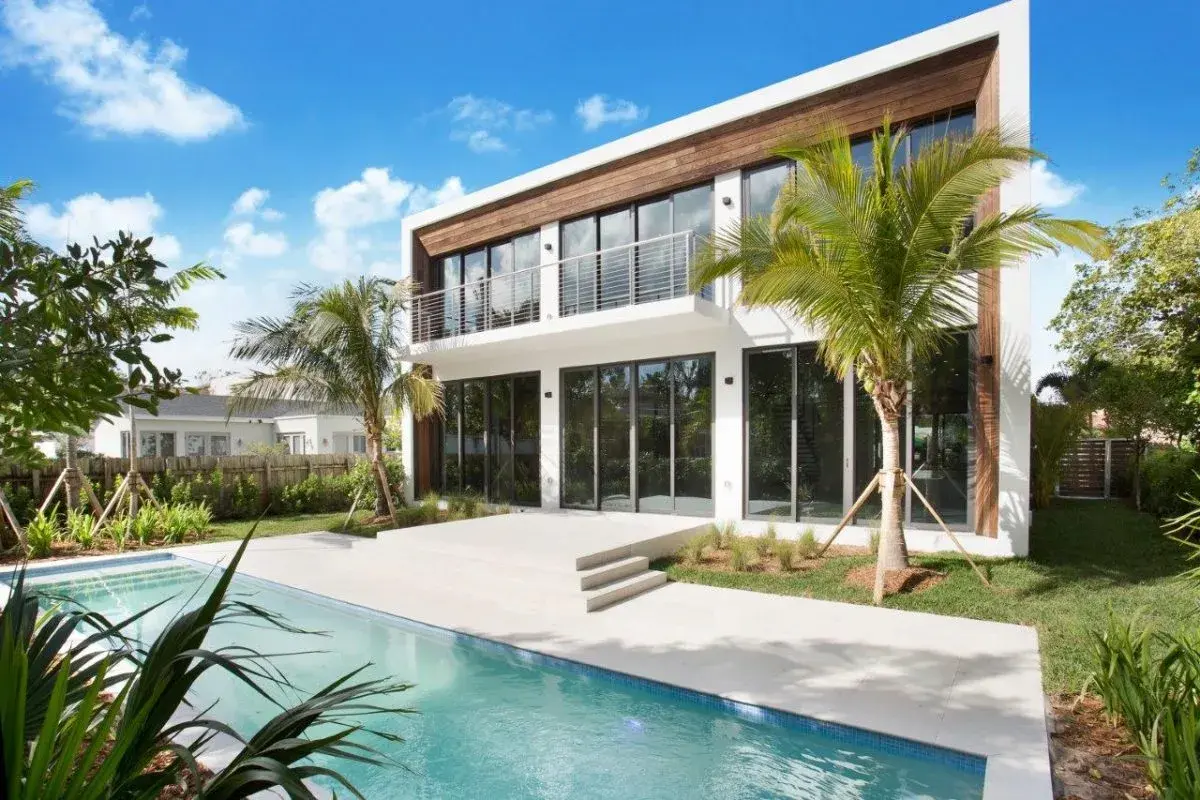
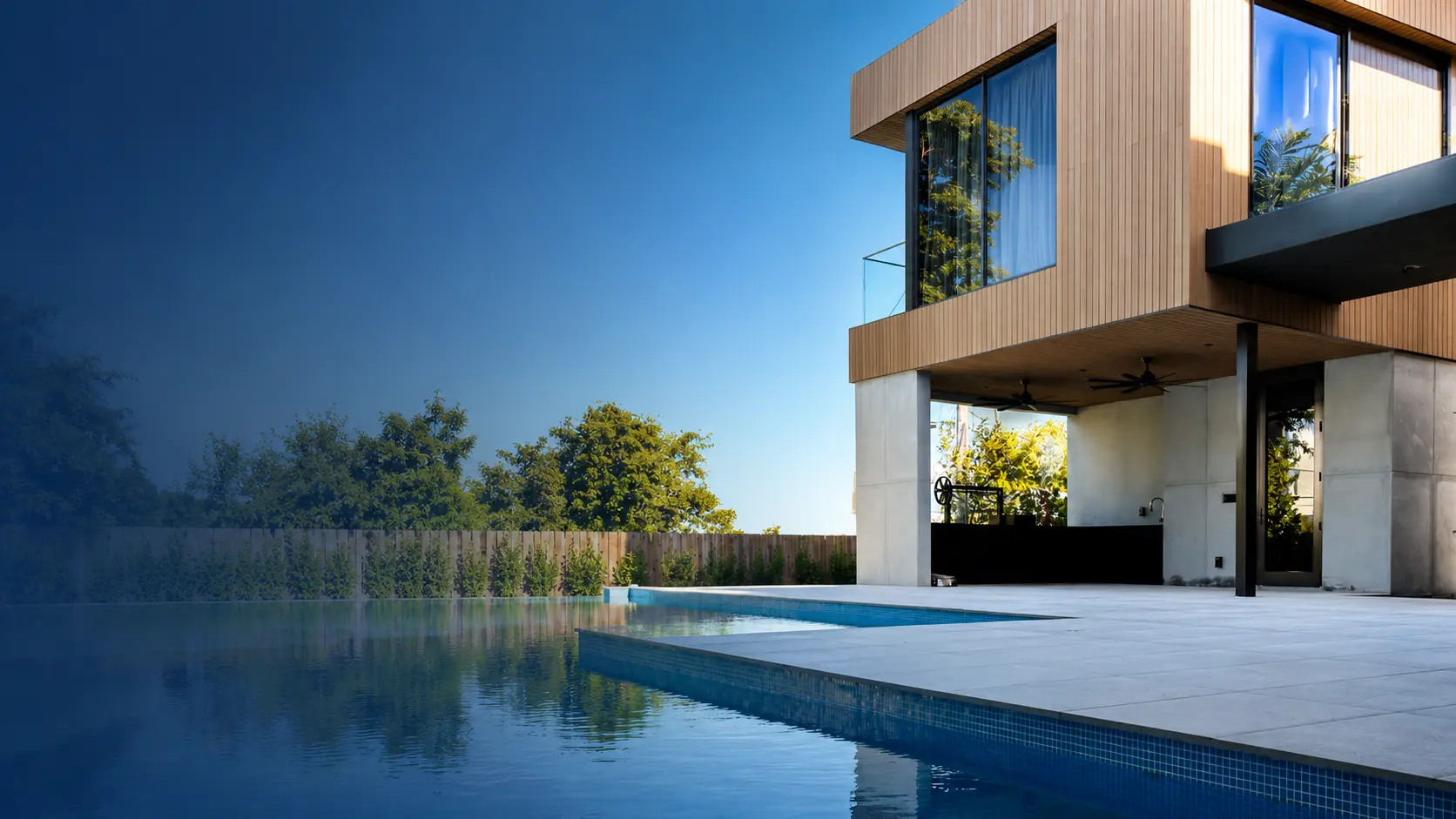
Deep roof overhangs and covered terraces
Exterior screens, louvers, and shutters
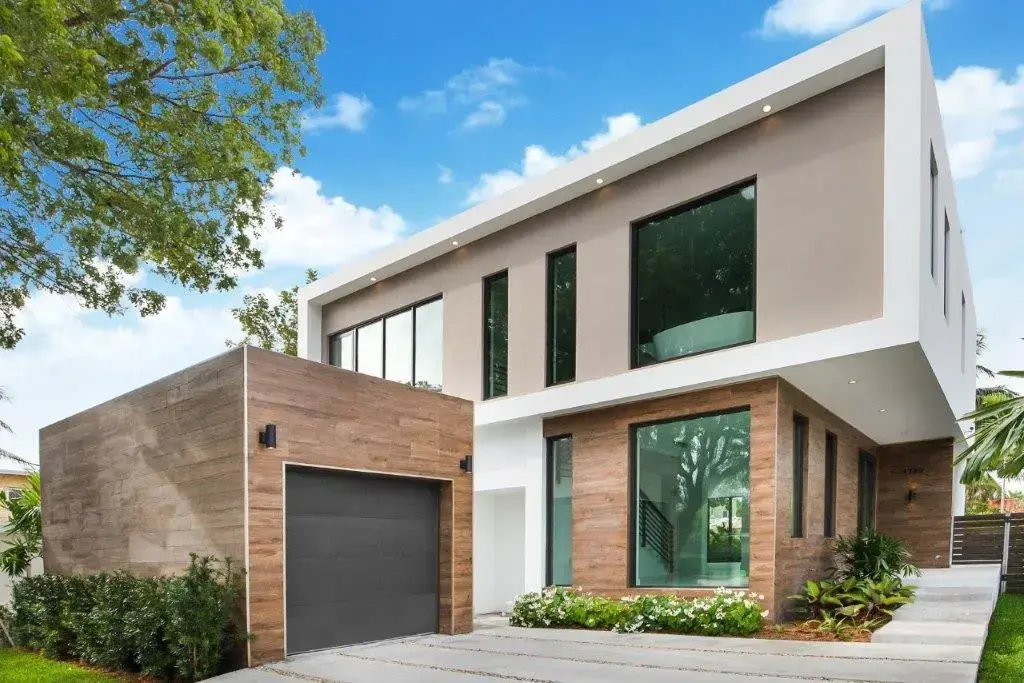
Recessed windows and balconies that shade the floors below
Well placed shading keeps interiors cooler while still letting in plenty of natural light.
The Right Windows and Glass
Large windows bring in light and views, but they need to be chosen carefully in our climate.
Low emissivity glass that reflects heat while letting light through
Impact rated windows that also improve insulation
Placing the largest windows where they get the least direct sun
This balance gives you open, bright spaces without turning your living room into a greenhouse.
 |  |
A Tight, Well Insulated Building
Keeping cool air in and hot, humid air out is key to efficiency in South Florida.
Quality insulation in walls and roofs
Careful sealing to prevent air and moisture leaks
Reflective or light colored roofing to reduce heat absorption
A tighter building means your air conditioning works less and lasts longer.
Efficient Systems and Smart Technology
Your architect also coordinates with engineers on the systems that run your home.
Efficient cooling. Properly sized air conditioning that also controls humidity..
Solar power. Roof layouts designed to support solar panels now or in the future.
Smart controls. Lighting and climate systems that adjust automatically.
LED lighting. Lower energy use and less heat inside the home.
 |
Meeting and Exceeding Code
Florida's energy code sets minimum standards for every new home and major renovation. A thoughtful architect sees that as a starting point, not the finish line.
Designs meet all required energy standards for permitting
Extra efficiency measures are added where they offer real value
Some clients pursue green certifications for added benefits
Why It Pays Off
Energy efficient design isn't just good for the environment. It delivers practical benefits you'll notice every day.
Lower monthly utility bills
More comfortable indoor temperatures and humidity
Higher appeal to future buyers
The Bottom Line
Architects approach energy efficient design in Miami by using smart orientation, shading, quality materials, and efficient systems to keep your home cool and comfortable with less energy. The best results come from planning for efficiency from the very first sketch.
Want to make your next project more energy efficient? Contact us to talk with our Miami architects and we'll show you how smart design can lower your costs for years to come.
Architects approach energy efficient design in Miami by working with the climate instead of fighting it. That means positioning your home to limit heat gain, shading windows from the strong sun, choosing high performance materials, and planning systems that keep you cool while using less energy.
In a place where air conditioning runs most of the year, smart design can make a real difference in comfort and monthly bills. Here's how architects make it happen.
It Starts With the Site
Good energy efficient design begins before a single wall is drawn. Your architect studies the property to see how sun, wind, and shade affect it throughout the day.
Orienting the home to reduce harsh afternoon sun on main living areas
Taking advantage of prevailing breezes for natural ventilation
Working with existing trees and landscaping that provide shade
These early decisions cost little but have a lasting impact on how much energy your home uses.
Shading Is Everything in Miami
The biggest source of heat in a Miami home is direct sunlight coming through windows and walls. Architects use design to block it before it gets inside.
Deep roof overhangs and covered terraces
Exterior screens, louvers, and shutters
Recessed windows and balconies that shade the floors below
Well placed shading keeps interiors cooler while still letting in plenty of natural light.
The Right Windows and Glass
Large windows bring in light and views, but they need to be chosen carefully in our climate.
Low emissivity glass that reflects heat while letting light through
Impact rated windows that also improve insulation
Placing the largest windows where they get the least direct sun
This balance gives you open, bright spaces without turning your living room into a greenhouse.
| |
A Tight, Well Insulated Building
Keeping cool air in and hot, humid air out is key to efficiency in South Florida.
Quality insulation in walls and roofs
Careful sealing to prevent air and moisture leaks
Reflective or light colored roofing to reduce heat absorption
A tighter building means your air conditioning works less and lasts longer.
Efficient Systems and Smart Technology
Your architect also coordinates with engineers on the systems that run your home.
Efficient cooling. Properly sized air conditioning that also controls humidity..
Solar power. Roof layouts designed to support solar panels now or in the future.
Smart controls. Lighting and climate systems that adjust automatically.
LED lighting. Lower energy use and less heat inside the home.
|
Meeting and Exceeding Code
Florida's energy code sets minimum standards for every new home and major renovation. A thoughtful architect sees that as a starting point, not the finish line.
Designs meet all required energy standards for permitting
Extra efficiency measures are added where they offer real value
Some clients pursue green certifications for added benefits
Why It Pays Off
Energy efficient design isn't just good for the environment. It delivers practical benefits you'll notice every day.
Lower monthly utility bills
More comfortable indoor temperatures and humidity
Higher appeal to future buyers
The Bottom Line
Architects approach energy efficient design in Miami by using smart orientation, shading, quality materials, and efficient systems to keep your home cool and comfortable with less energy. The best results come from planning for efficiency from the very first sketch.
Want to make your next project more energy efficient? Contact us to talk with our Miami architects and we'll show you how smart design can lower your costs for years to come.