
The most important questions to ask are about licensing, local experience, fees, timeline, and who you'll actually be working with day to day. Get clear answers on those five and you'll avoid almost every common hiring mistake.
Hiring an architect is a big commitment, and the right questions upfront save you from expensive surprises later. Here's exactly what to ask before you sign anything.
Is the Architect Licensed in Florida?
Always confirm your architect holds an active Florida license. It's the baseline, and it matters more here than almost anywhere.
Florida has strict building codes, especially for hurricane resistance and flood zones.
A licensed architect knows how to design for wind load, impact glass, and elevation requirements.
Ask for their license number so you can verify it through the state board.
If a firm hesitates on this question, walk away.
Do They Have Local Miami Experience?
Local experience is non-negotiable in a city like Miami. An architect who knows the area navigates permitting, zoning, and climate challenges far faster.
They'll understand neighborhood specific rules, from Coconut Grove tree ordinances to Miami Beach coastal setbacks.
They'll have working relationships with local permitting offices, which speeds up approvals.
They'll design for the realities of heat, humidity, salt air, and storm season.
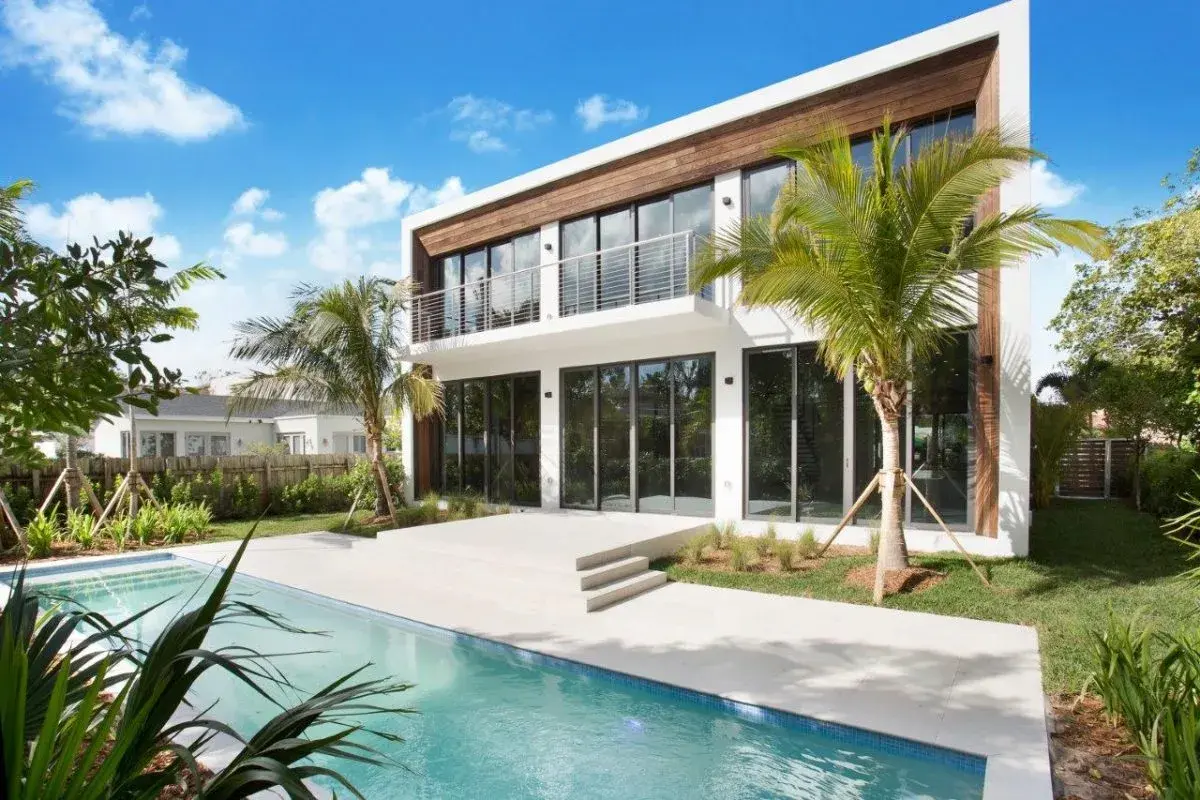
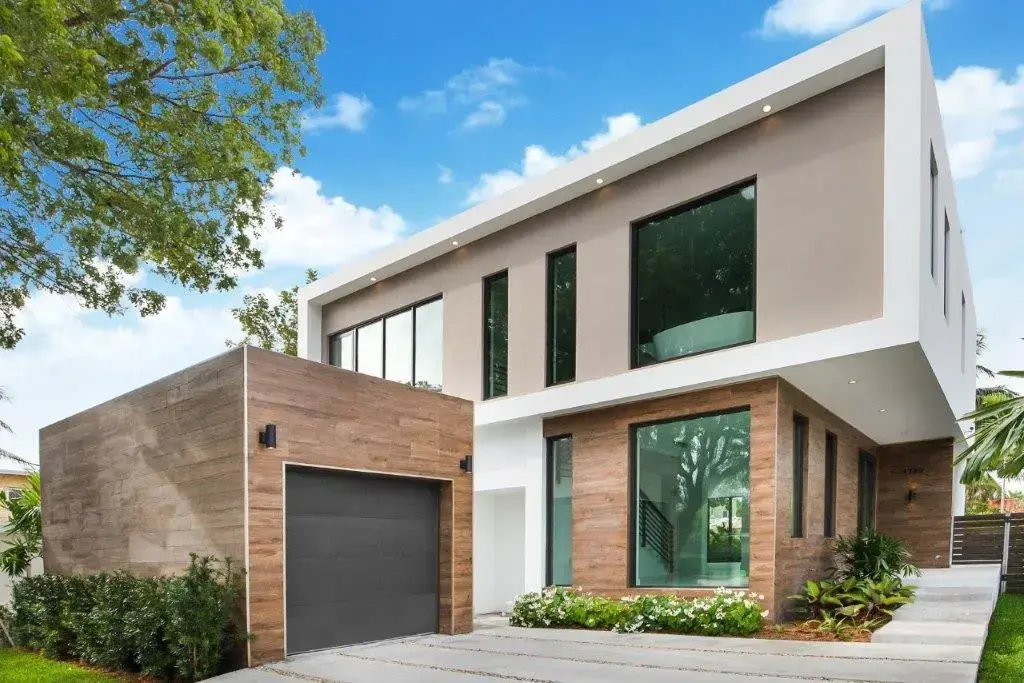
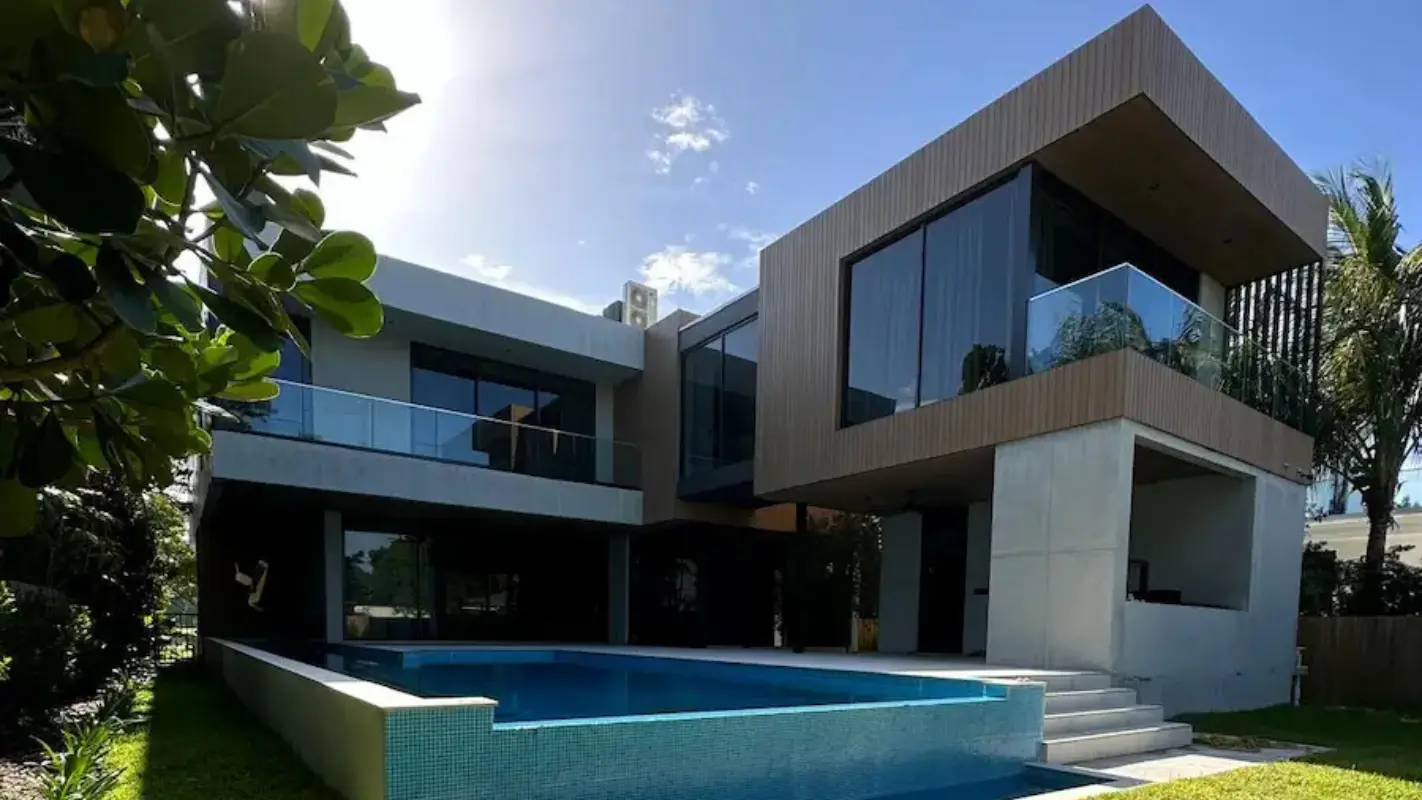
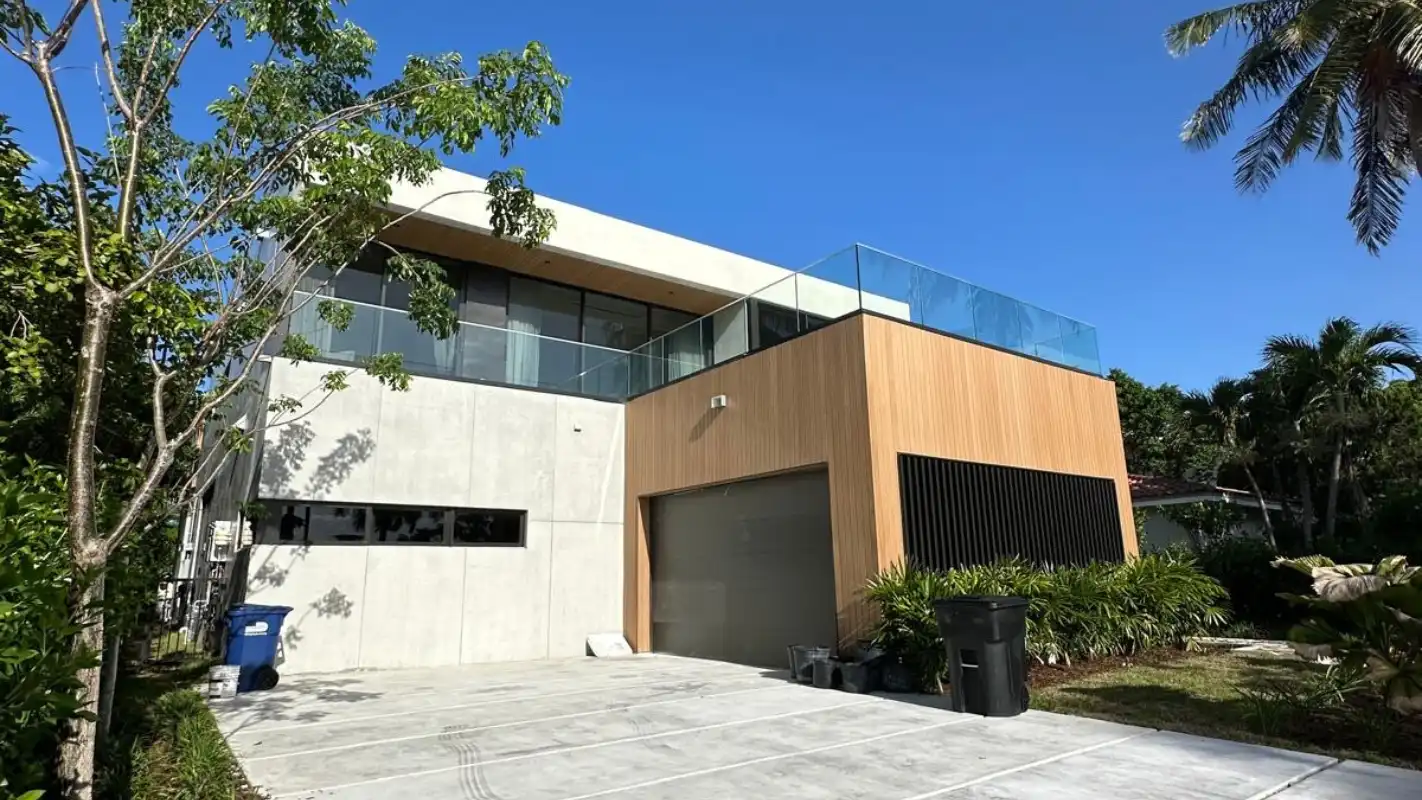
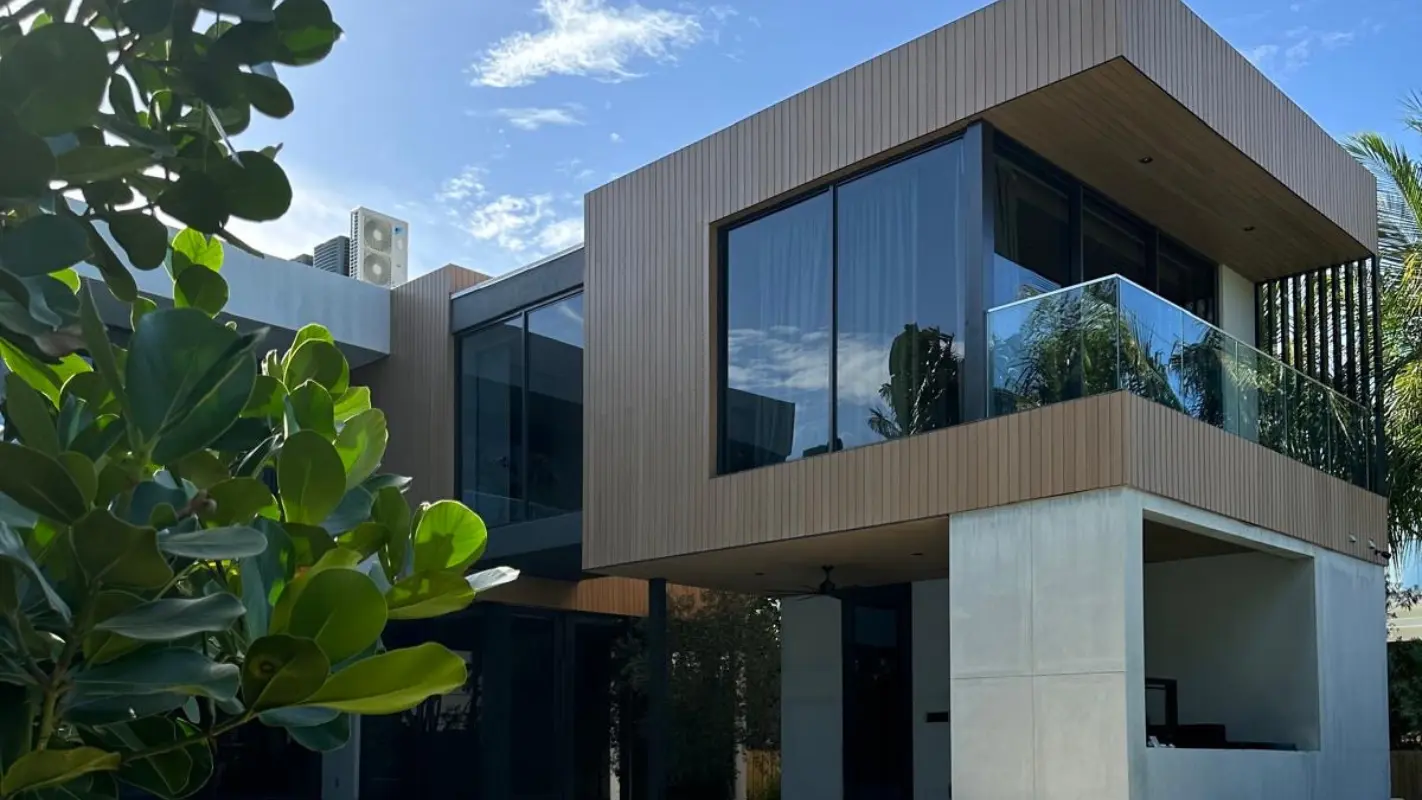
Ask to see projects they've completed in or near your neighborhood. A strong Miami architecture firm will have a portfolio that proves it.
 |  |
How Do They Structure Their Fees?
Architects price their work in different ways, so get the full picture before you commit. Understanding the fee structure upfront prevents budget tension later.
Common fee models include:
Percentage of construction cost (often 8 to 15 percent)
Fixed flat fee for clearly defined projects
Hourly rate for smaller or open ended work
Questions worth asking here
What's included in the fee, and what counts as an extra?
When are payments due, and tied to which milestones?
What happens to the cost if the project scope changes?
What's the Realistic Timeline?
Ask for an honest timeline that covers design, permitting, and construction. Vague answers here are a red flag.
Design and revisions usually take several weeks to a few months.
Permitting in Miami-Dade can add significant time, so factor it in.
A good architect builds in buffer time instead of overpromising.
You want someone who's realistic, not someone who tells you what you want to hear.
 |
Who Will I Actually Be Working With?
The person who pitches you isn't always the person who does the work. Find out exactly who manages your project from start to finish.
Will the lead architect stay involved, or hand you off to a junior team member?
Who's your main point of contact for questions and updates?
How often will you get progress check-ins?
Clear communication is the difference between a smooth project and a stressful one.
How Do They Handle Changes and Problems?
Every project hits a snag eventually. What matters is how your architect responds when it does.
Ask how they manage design changes once construction starts.
Ask how they handle disagreements with contractors.
Ask for references from past clients you can actually call.
Talking to a previous client tells you more than any sales pitch.
The Bottom Line
The best architect for your project is licensed, locally experienced, transparent about fees and timelines, and easy to communicate with. Ask these questions before you hire, and you'll start your project with confidence instead of crossed fingers.
Ready to start a conversation? Reach out through our contact page and tell us about your vision.
The most important questions to ask are about licensing, local experience, fees, timeline, and who you'll actually be working with day to day. Get clear answers on those five and you'll avoid almost every common hiring mistake.
Hiring an architect is a big commitment, and the right questions upfront save you from expensive surprises later. Here's exactly what to ask before you sign anything.
Is the Architect Licensed in Florida?
Always confirm your architect holds an active Florida license. It's the baseline, and it matters more here than almost anywhere.
Florida has strict building codes, especially for hurricane resistance and flood zones.
A licensed architect knows how to design for wind load, impact glass, and elevation requirements.
Ask for their license number so you can verify it through the state board.
If a firm hesitates on this question, walk away.
Do They Have Local Miami Experience?
Local experience is non-negotiable in a city like Miami. An architect who knows the area navigates permitting, zoning, and climate challenges far faster.
They'll understand neighborhood specific rules, from Coconut Grove tree ordinances to Miami Beach coastal setbacks.
They'll have working relationships with local permitting offices, which speeds up approvals.
They'll design for the realities of heat, humidity, salt air, and storm season.
Ask to see projects they've completed in or near your neighborhood. A strong Miami architecture firm will have a portfolio that proves it.
| |
How Do They Structure Their Fees?
Architects price their work in different ways, so get the full picture before you commit. Understanding the fee structure upfront prevents budget tension later.
Common fee models include:
Percentage of construction cost (often 8 to 15 percent)
Fixed flat fee for clearly defined projects
Hourly rate for smaller or open ended work
Questions worth asking here
What's included in the fee, and what counts as an extra?
When are payments due, and tied to which milestones?
What happens to the cost if the project scope changes?
What's the Realistic Timeline?
Ask for an honest timeline that covers design, permitting, and construction. Vague answers here are a red flag.
Design and revisions usually take several weeks to a few months.
Permitting in Miami-Dade can add significant time, so factor it in.
A good architect builds in buffer time instead of overpromising.
You want someone who's realistic, not someone who tells you what you want to hear.
|
Who Will I Actually Be Working With?
The person who pitches you isn't always the person who does the work. Find out exactly who manages your project from start to finish.
Will the lead architect stay involved, or hand you off to a junior team member?
Who's your main point of contact for questions and updates?
How often will you get progress check-ins?
Clear communication is the difference between a smooth project and a stressful one.
How Do They Handle Changes and Problems?
Every project hits a snag eventually. What matters is how your architect responds when it does.
Ask how they manage design changes once construction starts.
Ask how they handle disagreements with contractors.
Ask for references from past clients you can actually call.
Talking to a previous client tells you more than any sales pitch.
The Bottom Line
The best architect for your project is licensed, locally experienced, transparent about fees and timelines, and easy to communicate with. Ask these questions before you hire, and you'll start your project with confidence instead of crossed fingers.
Ready to start a conversation? Reach out through our contact page and tell us about your vision.